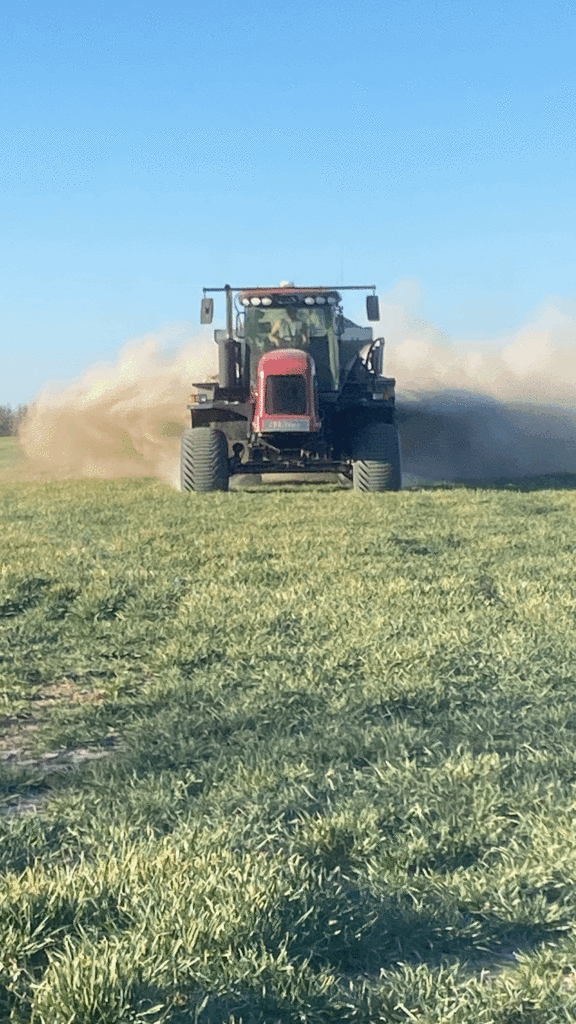
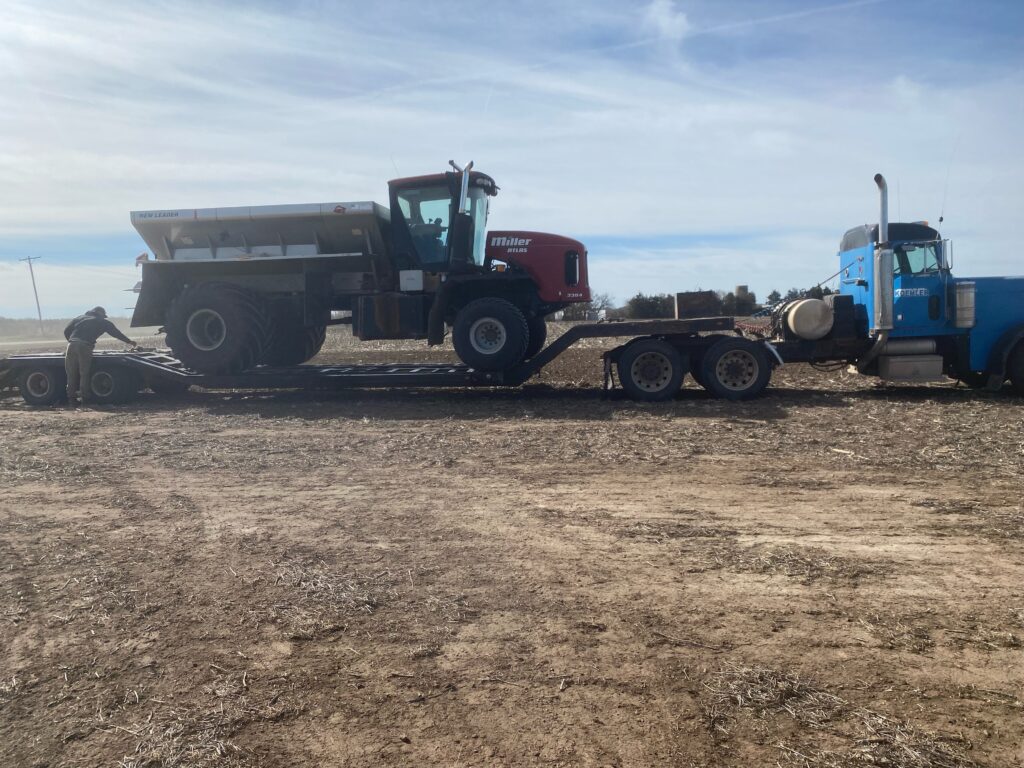
Options for Applying Soil Amendments – either through broadcasting or surface application known as top-dressing
We concentrate on the utilization of lime, gypsum, and chicken manure, applying them either uniformly across an area or in varying amounts known as variable rates. Our expertise lies in the application of these materials, whether applying them as a consistent blanket rate or adjusting the rates based on specific needs.
Lime Spreading: Farmers apply lime to reduce soil acidity, raising the pH level and enhancing the soil’s ability to support plant growth. This method promotes healthy crop development by optimizing the availability of essential nutrients and balancing soil conditions.
Gypsum Spreading: Farmers distribute gypsum across fields to restore proper calcium and magnesium ratios. This practice also adds sulfur to the soil, benefiting plant health.
Chicken Litter: Farmers apply chicken litter when phosphorus levels are low to improve soil fertility and quality. In addition to the key macronutrients—nitrogen (N), phosphorus (P), and potassium (K)—poultry manure supplies calcium, magnesium, sulfur, and various micronutrients.
What are the benefits of selecting blanket or variable rates for your fields?
Blanket Rate Application: This conventional method involves applying fertilizer uniformly across an entire field. While it incurs lower initial costs, it fails to account for the inherent variability within the field.
Variable Rate Application (VRA): This precision farming technique optimizes fertilizer application based on the specific needs of different areas within a field. By utilizing soil data, VRA determines tailored application rates, leading to improved soil health, increased yields, and reduced input costs.
Services:
Specialized Application of:
- Lime
- Gypsum
- Chicken litter
Variable and Blanket Rates
Spreading lime